Superpower Ragdoll Physics Villains
Brute, Pyro, Speedster, and the six-villain roster—when to stop them and when to let chaos ride.
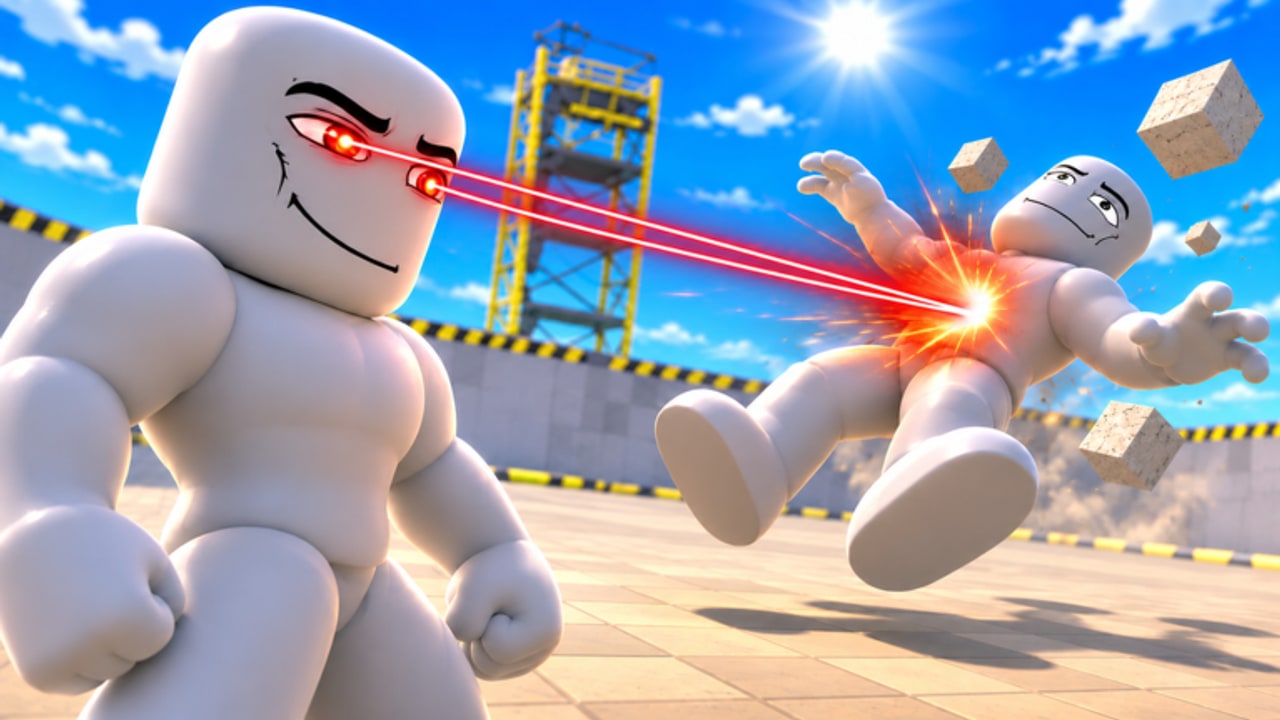
Villains exist to stress-test your sandbox plans. Superpower Ragdoll Physics fields a roster of six villains. The headline trio is unmistakable: Brute smashes, Pyro sets people on fire, and Speedster runs targets down. The rest of the six deepen that pressure with overlapping roles—heavy disruption, area denial, and tempo breaks—so your four-player server must decide, every time, whether to stop them or ignore them. Both choices are valid. Undecided teams feel worse than either committed path.
Use this guide with Scenarios, Powers, and the powers tier list when you want a structured answer instead of a panicked nuke.
The stop-or-ignore framework
Ask three questions on spawn or on first villain sighting:
- Does the villain threaten the objective right now? Hostage lanes and vault beats usually say stop. Pure freeplay city nights can say ignore.
- Do we have the right tools? Precision and time stop answer Speedster; mobility and focused burst answer Brute; control and priority fire answer Pyro.
- Will fighting them cost the scenario timer or route? If yes, ignore with discipline—do not “ignore” while still half-fighting.
Call the policy in one sentence: “Ignore Pyro, extract now,” or “All focus Brute on the field.”
Brute — smash pressure
Brute is the blunt instrument. Expect shattered formations, launched teammates, and demolished tidy lanes in prison yards or frontline holds.
How Brute feels: heavy telegraphs, big contact, morale shock. Your carefully stacked tornado herd may evaporate in one charge.
Stop plan:
- Soften with laser eyes while kiting.
- Time stop to freeze a commit window.
- Thunder clap only if allies are clear of the blast fantasy.
- Meteor strike or nuke when Brute is isolated on open stadium turf or a city plaza.
- Web swing out of melee if your platform aim wobbles.
Ignore plan:
- Swing or path around smash lanes.
- Do not feed Brute your hostage shepherd.
- Keep objectives on the far side of the map’s open blast space so Brute’s presence becomes background percussion.
Bad habits: standing still to admire a counter-nuke while Brute still has a clean line to the objective.
Pyro — fire denial
Pyro turns rescue and corridor scenarios into panic. Fire threatens clustered friends and escort targets more than it threatens a lone flyer.
How Pyro feels: area denial, visual noise, pressure to scatter.
Stop plan:
- Priority laser tags before the fire spreads across a hostage lane.
- Telekinesis to yank critical bodies out of burn zones.
- Time stop to create a safe crossing.
- Tornado to pull burning clusters away from the objective rather than through it.
- Save giant mode for open air where you are not sealing your own exits with panic.
Ignore plan:
- Reroute through a second hallway or street.
- Accept that some freeplay districts are on fire and relocate the joke elsewhere.
- Do not “ignore” while still throwing teammates back into the burn for content.
Bad habits: meteor striking a Pyro standing beside the hostage. You may win the villain and lose the scenario.
Speedster — tempo predator
Speedster punishes slow aim and uncoordinated teams. If your squad plants feet to charge a nuke without vision, Speedster writes the punchline.
How Speedster feels: sudden angles, run-downs, dropped setups.
Stop plan:
- Time stop on call when someone spots the rush.
- Laser eyes with pre-aimed lanes down city avenues.
- Thunder clap as a panic wave when Speedster enters melee range.
- Tornado to snarl a path if the map allows.
- Web swing vertically; many rush patterns read worse in the air.
Ignore plan:
- Keep moving objectives; do not stand still crafting the perfect throw.
- Assign one player as rear guard while others progress the scenario.
- Accept chip chaos in freeplay and refuse to hard focus unless Speedster chains downs.
Bad habits: four players turning independently and blasting different sidewalks while the objective dies alone.
How the six-villain roster works together
Think of the six as a pressure ecosystem rather than six unrelated bosses:
- Heavy smash archetypes (Brute-led) test formation and recovery.
- Denial archetypes (Pyro-led) test routing and escort discipline.
- Tempo archetypes (Speedster-led) test vision and coordinated crowd tools.
- Flex villains in the remaining slots remix those jobs—sometimes smash plus denial, sometimes tempo plus spectacle—so you should classify first, name second.
When two villains overlap mid-scenario, simplify: pick the one that touches the objective, ignore the celebrity fight across the street. World events on top of villains are how funny nights become legends; they are also how uncoordinated nights become resets. See World Events for pacing under stacked chaos.
Villains inside each headline scenario
- Prison break: Brute in the yard is a stop-or-run fork. Speedster on the wall path wants time stop. Pyro near the breach demands a reroute call.
- Bank heist: Prefer ignore unless the villain sits on the vault beat. Splash freefire deletes your own route.
- Hostage rescue: Default stop for Pyro and Speedster near the shepherd lane. Brute can be kited if the hostage is already moving.
- Outbreak: Villains are part of the density story—use them as ultimate beacons, but still stagger nukes.
- Lab escape: Corridors amplify Pyro; stop or fully reroute. Brute smash can seal paths you needed.
- Frontline: Best “fair fight” playground. Practice focus calls here before ranked ego exists.
Power answers cheat sheet
| Villain pressure | Strong answers | Risky answers |
|---|---|---|
| Smash (Brute) | Time stop, kite lasers, open-field meteor | Indoor nuke, giant trapped in debris |
| Fire (Pyro) | Telekinesis rescue, priority lasers, route change | Tornado through hostage, panic clap in tiny rooms |
| Tempo (Speedster) | Time stop call, pre-aimed lasers, vertical swing | Stationary nuke charge, uncoordinated 1v1s |
Refine preferences with the Tier List after patches retune feel.
Four-player villain roles
- Caller — says stop or ignore and names the target.
- Softener — laser eyes and chip tools.
- Controller — time stop, clap, tornado.
- Finisher — meteor or nuke only on confirmation.
If nobody wants to be caller, you do not have a villain plan—you have four solo stories.
Practice drills
- City freeplay: ignore every villain for five minutes while completing a self-set route.
- Same map: stop only Speedster, ignore others.
- Hostage scenario: Pyro always stopped, Brute ignored unless on the lane.
- Stadium: focus-fire Brute with spoken meteor countdown.
- Review who broke the policy and why.
Villains are directors, not mandatory raid bosses. Use them to make scenarios sharper and powers more intentional. When in doubt, make one shared call and commit.
Frequently Asked Questions
Quick answers to the most common questions.
How many villains are in Superpower Ragdoll Physics?
There are six villains. Headline threats include Brute, who smashes; Pyro, who sets people on fire; and Speedster, who runs targets down.
Should we always defeat villains?
No. The sandbox explicitly supports stopping them or ignoring them. Agree as a team so you do not half-fight while objectives fail.
What counters Speedster?
Time stop callouts, pre-aimed laser lanes, vertical web swing escapes, and a dedicated rear guard in scenarios.
What should we do if Pyro appears during hostage rescue?
Default to stopping or fully rerouting. Prioritize pulling the hostage out of burn zones with telekinesis and time stop before using heavy splash.
Where do villains fit in co-op roles?
Appoint a caller, softener, controller, and finisher. Stagger ultimates and keep the objective shepherd out of vanity 1v1s.