Superpower Ragdoll Physics Maps
Seven arenas for ragdoll chaos—layout reads, physics tips, and best pairings with events and scenarios.
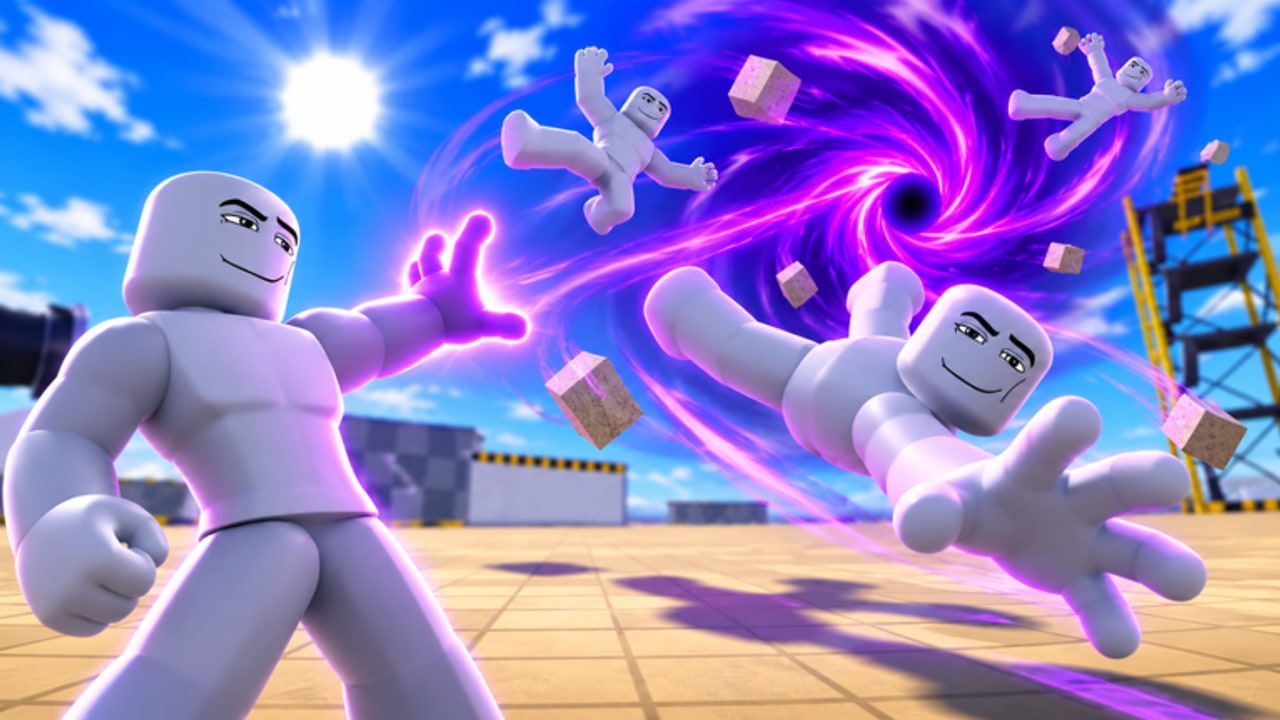
Maps are the stage for every punch, swing, and meteor in Superpower Ragdoll Physics. The experience features seven maps, including the named set city, construction site, playground, forest, stadium, and a clean white room, plus a seventh layout that can rotate with updates. This guide explains how each space shapes physics, which powers feel natural there, and how world events or scenarios remix the same geometry. New players should still begin with Getting Started before map-hopping endlessly.
How to read any map
Scan for four features on spawn:
- Verticality — roofs, beams, trees, stadium lights, scaffolding.
- Open blast space — plazas, fields, empty pads for meteor strike and nuke.
- Chokepoints — doors, bridges, alley mouths for thunder clap value.
- Soft fail states — ledges that delete ragdolls you still wanted to play with, or props that trap giants.
Once you can name those four, loadout choices stop feeling random.
City
The city is the default sandbox postcard: streets, sidewalks, elevations, and crowds that sell superhero chaos.
Physics tips:
- Fire laser eyes down long avenues for readable beams.
- Use telekinesis to stage throws into parks rather than instantly off the map.
- Thunder clap at intersections where paths converge.
- Web swing between rooftops to beat ground chases.
- Save tornado for blocks you want to evacuate toward a plaza.
- Call meteor strike and nuke on wide lots, not narrow alleys.
Best pairings: bank heist energy, outbreak street fights, airstrike and shark rain events that use the skyline. Villain Speedster lanes are obvious on straight roads—pre-aim time stop.
Construction site
Scaffolding, beams, incomplete floors, and vertical risk define construction.
Physics tips:
- Treat every platform edge as a teaching tool for launch arcs.
- Telekinesis is king for moving bodies between levels without guessing jumps.
- Web swing is almost mandatory for recovery after a bad fall.
- Giant mode needs path checks; unfinished frames eat large hitboxes.
- Meteor strike looks incredible on open foundation pads.
- Avoid careless nukes that delete the only ramp your team was using.
Best pairings: prison-break-style vertical escapes, lab-adjacent careful pathing, bee swarm events that punish people stuck on exposed beams. Practice here when your group’s landing skills feel sloppy.
Playground
The playground is toyetic: equipment, short sightlines, and comedy collisions.
Physics tips:
- Thunder clap near clustered props for pinball ragdolls.
- Laser eyes still work, but expect more occlusions from equipment.
- Tornado can become slapstick quickly—fun in freeplay, risky near escort objectives.
- Giant mode turns the space into a kaiju recess period.
- Time stop helps you pause mid-chaos to reposition without losing the joke.
Best pairings: disco party vibes, casual freeplay warmups, teaching new players reading of x-ray and doctor reactions in a low-pressure space. Not the first pick for serious frontline rehearsals.
Forest
Trees break sightlines and punish lazy camera work.
Physics tips:
- Fight for sky when aiming meteor strike; canopy eats clarity.
- Web swing through gaps instead of ground tunneling blindly.
- Laser eyes need patience—track silhouettes between trunks.
- Tornado can snag oddly on dense props; shorter controlled casts help.
- Tsunami-style events make elevation and thick trunks valuable cover.
- T-Rex rampage in forest is a horror-comedy hybrid—mobility first.
Best pairings: survival-leaning scenarios, bee swarm soft cover games, players practicing callouts because vision is limited. Assign a spotter in four-player groups.
Stadium
Open turf, stands, and spectacle distances.
Physics tips:
- This is the artillery classroom: meteor strike and nuke have room to breathe.
- Tornado on the field creates moving shows for the stands.
- Web swing to lights and upper decks for sniper-angle laser eyes.
- Thunder clap still matters in tunnel and concourse chokepoints.
- Giant mode on the pitch is peak crowd-pleaser energy.
- Time stop before a coordinated team entrance looks pro and reads clearly.
Best pairings: frontline rehearsals, outbreak crescendos, airstrike and disco party events. If your squad never practices ultimate countdowns, practice them here.
Clean white room
A laboratory of pure physics with minimal visual noise.
Physics tips:
- Perfect for isolating one power at a time.
- Learn throw arcs with telekinesis without city clutter.
- Measure knockback distances from thunder clap on flat ground.
- Practice laser tracking without tree or traffic occluders.
- Test giant mode collisions against simple walls.
- Confirm platform control prompts here after patches—see Controls.
Best pairings: warmups, VR comfort sessions, teaching brand-new friends before dropping them into city chaos. Scenarios that need narrative set dressing will feel thinner here; use it as a gym, not a movie set.
Seventh map — rotated by updates
The seventh slot is where SuperheroCCU can rotate fresh geometry. When a new map appears:
- Spend five minutes naming verticality, blast space, chokepoints, and fail states.
- Run the starter power circuit from Getting Started.
- Invite one world event and one scenario mindset to see how the space answers pressure.
- Note whether it plays more like city (readable streets), construction (vertical risk), playground (prop comedy), forest (vision breaks), stadium (spectacle), or white room (lab clarity).
- Check Updates for designer notes tied to the rotation.
Do not assume yesterday’s nuke angle still exists after a rotation.
Maps plus world events
| Event vibe | Prefer maps |
|---|---|
| Sky hazards (airstrike, shark rain) | City, stadium, construction pads |
| Ground floods / wide chases (tsunami, T-Rex) | Stadium field, city plazas, careful forest edges |
| Swarm clouds (bee swarm) | Open enough to clap/tornado, with swing escapes |
| Spectacle party (disco, giant dummy) | Playground, stadium, city plaza |
Full event behavior notes live in the World Events Guide.
Maps plus scenarios
Match fantasy to space when the selector allows flexibility: heist and rescue prefer readable interiors and controlled lanes; outbreak and frontline prefer stadium or city scale; prison break loves vertical construction energy; lab escape wants corridor discipline you can rehearse in white room habits even when the real lab tile differs.
Session ideas
- Lab night: white room only, one power each five minutes.
- Tour night: ten minutes per map, same power kit, compare feel.
- Event night: stay on city or stadium and ride whatever the sky throws.
- Scenario night: lock one objective type and only change maps if needed.
Know the stage and your powers stop fighting the furniture. That is when Superpower Ragdoll Physics looks intentional instead of accidental—even when the intentional plan is pure chaos.
Frequently Asked Questions
Quick answers to the most common questions.
How many maps are in Superpower Ragdoll Physics?
There are seven maps, including city, construction site, playground, forest, stadium, a clean white room, and a seventh layout that can rotate with updates.
Which map is best for learning powers?
The clean white room isolates physics. City and playground are next for readable crowds and comedy props.
Where should I practice ultimates?
Stadium turf and city plazas give meteor strike and nuke room to land without trapping your team in a corridor.
What map helps with vertical movement?
Construction site forces web swing and telekinesis recovery skills. Forest also rewards smart vertical escapes during events.
What do I do when a new seventh map appears?
Scout verticality, blast space, chokepoints, and fail states, run a short power circuit, then check Updates for rotation notes.