Superpower Ragdoll Physics Powers Guide
Thirty-six powers, practical roles, and how to use them in freeplay, scenarios, and world events.
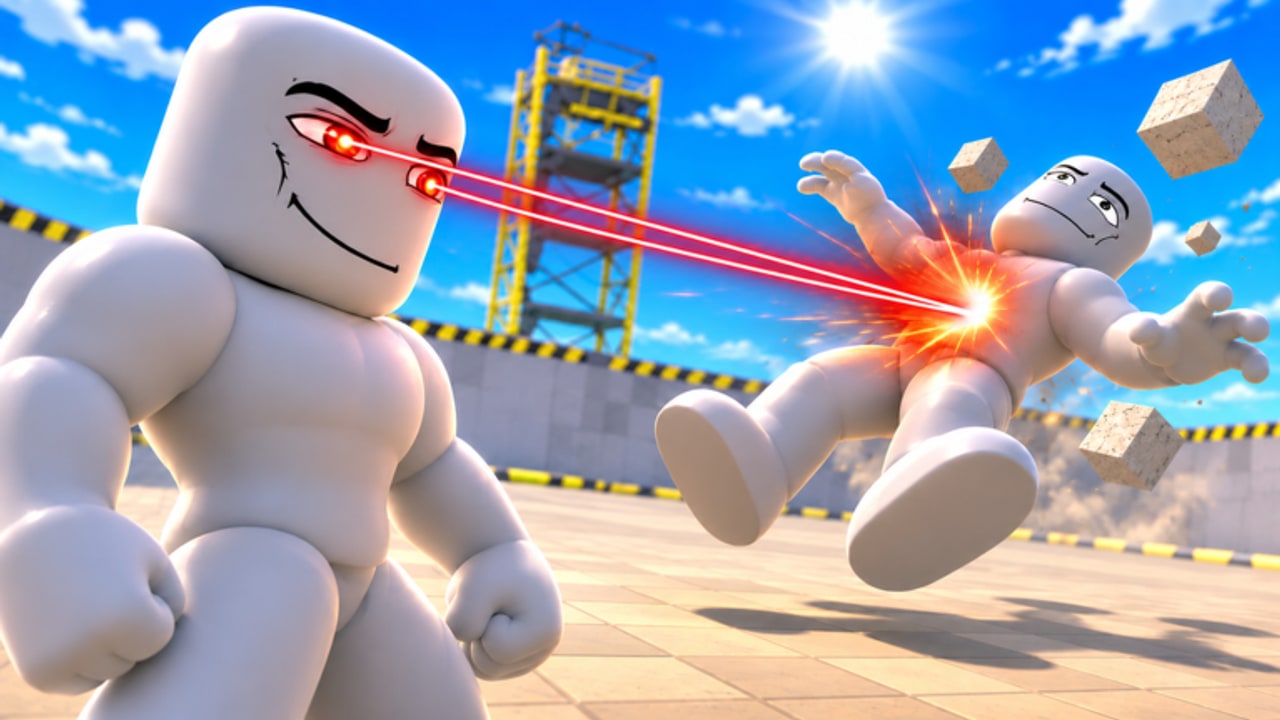
Superpower Ragdoll Physics ships with 36 superpowers, and the fantasy is immediate: laser eyes, telekinesis, thunder clap, web swing, time stop, tornado, giant mode, meteor strike, nuke, and a deep bench of variants that all speak the same physics language. This guide explains how to think about those tools in city freeplay, scenarios, and world events, then how to build four-player roles around them. For ranked preference lists, pair this page with the powers tier list and the power compare tool. For objective context, keep Scenarios and World Events nearby.
How to evaluate any power
Ask four questions every time you equip something new:
- Delivery — Is it a beam, a pulse, a grab, a mobility tool, a zone, or a screen-clearing ultimate?
- Range band — Melee shockwave, mid-street throw, or skybox call-in?
- Readability — Can teammates see what you did so they do not stack the same effect?
- Recovery — Where do you stand after the cast when a villain or event answers back?
Powers that score well on readability and recovery usually feel better in co-op than raw spectacle picks that strand you in the blast.
Headline power roles
Laser eyes — precision pressure
Laser eyes teach aim discipline. Use them to tag priority targets on rooftops, chip a villain without committing a nuke, or draw a line that herding teammates can push into. In the city, fire down avenues; in the white room, practice tracking; during hostage rescue, avoid spraying near the objective body.
Telekinesis — grab, stage, throw
Telekinesis is the sandbox director’s tool. Lift a ragdoll into a hazard, clear a doorway, or stage a funny mid-air pause before a teammate’s thunder clap. In bank heist and lab escape routes, grabs relocate problems without demolishing the room you still need to path through.
Thunder clap — short-range crowd answer
Thunder clap shines when bodies cluster on sidewalks, in prison yards, or at outbreak choke points. Step in, pulse, step out. It is a tempo reset, not a map-deleting ultimate. Combine with tornado to re-cluster after a clap scatters people oddly.
Web swing — vertical mobility and rescue
Web swing is how you leave bad ground. Use it to reach stadium lights, construction beams, or forest canopy angles, then re-engage with a different power. In co-op, swingers are medevac: snatch a teammate’s attention toward a downed objective lane, or escape a bee swarm carpet.
Time stop — teamwide setup window
Time stop is a conversation. Call it before you press it. The freeze window is for repositioning, lining laser eyes, or walking a hostage lane without eating a Speedster rush. Wasting time stop on a single joke throw is funny once and expensive forever in frontline scenarios.
Tornado — moving herd control
Tornado pulls and relocates. Point it where you want a parade of ragdolls to travel—into a clear lot for meteor strike, away from a rescue target, or through a villain’s approach. On open maps it dominates; indoors it needs careful placement.
Giant mode — scale and presence
Giant mode changes your collision story. You become a moving hazard and a morale play. Use it to hold space in playground brawls or to contest a Brute’s smash fantasy. Mind doorways and low trees; scale without pathing is how giants get stuck looking silly.
Meteor strike — called artillery
Meteor strike wants sky and consent. Aim at open lots, stadium turf, or construction yards after teammates clear the blast radius. During airstrike world events, meteors can feel redundant—swap to utility until the sky calms, then reintroduce artillery.
Nuke — full punctuation
The nuke is punctuation, not a greeting. Save it for outbreak crescendos, frontline breakthroughs, or a stacked villain plus event moment. Announce it. Then admire the graves and doctor scramble only after you have already moved to safe ground.
Using powers in city freeplay
Freeplay city is your laboratory. Alternate a precision tool, a grab tool, a pulse, a mobility tool, and an ultimate. Watch for x-ray flashes and doctor responses so you learn damage language. Practice throwing into traffic lanes versus parks. When a random world event hits, do not reset immediately—adapt the loadout you already have.
City tips:
- Beams along streets, splash in plazas.
- Swings between rooftops beat ground foot chases against Speedster pressure.
- Tornado plus clap clears a block for friends to experiment.
Using powers in scenarios
Scenarios add objectives on top of the toy box. Match tools to the nine-scenario fantasy:
- Prison break — thunder clap and tornado for yard crowds; web swing for walls; time stop for gate moments.
- Bank heist — telekinesis for quiet relocation; laser eyes for cameras-and-guards energy; save nuke for the exit film shot.
- Hostage rescue — precision over splash; time stop to walk the lane; swing for extraction height.
- Outbreak — clap, tornado, meteor, nuke in escalating rings; keep one utility player sober.
- Lab escape — telekinesis and laser precision in corridors; giant mode only in atriums.
- Frontline — full kit warfare; stagger ultimates; assign who answers villains.
Discoverable scenarios follow the same logic: identify whether the map wants stealthy grabs or loud clears, then pick two powers that match and two that cover emergencies. Deeper objective notes sit in the Scenarios Guide.
Using powers during world events
Events rewrite the risk table:
- T-Rex rampage — mobility and time stop beat standing laser duels.
- Shark rain — keep moving; grab tools to clear friends from puddles of panic.
- Tsunami — seek height with web swing or elevated props; delay ground nukes.
- Airstrike — do not stack your own meteor greedily; play utility until lanes reopen.
- Bee swarm — clap and tornado soft-answer clusters; swing out of the cloud.
- Giant dummy — giant mode mirror matches or laser chip from range.
- Disco party — lean into spectacle powers; objectives can wait one song.
Fifteen events means you will meet variants beyond the headline list. When something new drops from the sky, classify it as chase hazard, area denial, or party mode, then pick the matching tool.
Four-player power jobs
A clean default split:
- Mover — web swing, occasional giant mode.
- Controller — tornado, thunder clap, time stop.
- Precision — laser eyes, telekinesis.
- Heavy — meteor strike, nuke, plus one flexible backup.
Rotate when a scenario objective demands two precision players or when a villain kit counters your heavy. Talk swaps; silent mirror loadouts waste the roster’s diversity.
Practice drills
- White room tracking: laser eyes only for two minutes.
- Construction throws: telekinesis into safe zones, not off the map every time.
- Playground pulses: thunder clap without knocking your own squad into equipment.
- Stadium artillery: meteor and nuke with verbal countdowns.
- Forest survival: swing plus time stop while a simulated event mindset plays out.
Common mistakes
- Nuking the hostage lane.
- Tornadoing allies away from the objective.
- Swinging with no landing plan during tsunami.
- Time stopping without a team purpose.
- Ignoring the Tier List after updates change feel—not as law, but as a second opinion.
Master a small contrasting kit first. The other powers in the 36 become enjoyable variations once you can already stage a scene, clear a crowd, move vertically, freeze a moment, and punctuate with the sky.
Frequently Asked Questions
Quick answers to the most common questions.
How many superpowers are in Superpower Ragdoll Physics?
There are 36 superpowers, including headline tools like laser eyes, telekinesis, thunder clap, web swing, time stop, tornado, giant mode, meteor strike, and nuke.
Which powers are best for beginners?
Start with laser eyes, telekinesis, thunder clap, and web swing. Add time stop and tornado next, then practice meteor strike and nuke in open space.
What should I equip for hostage rescue?
Prefer precision and control: laser eyes, telekinesis, time stop, and web swing. Keep heavy splash powers for after the hostage is safe.
How do powers interact with world events?
Match the hazard. Use mobility for T-Rex and tsunami, utility during airstrike overlap, crowd tools for bee swarm, and spectacle kits for disco party.
Where should I compare power strength?
Use this guide for roles and situations, then consult the Tier List hub for current preference rankings after patches.